

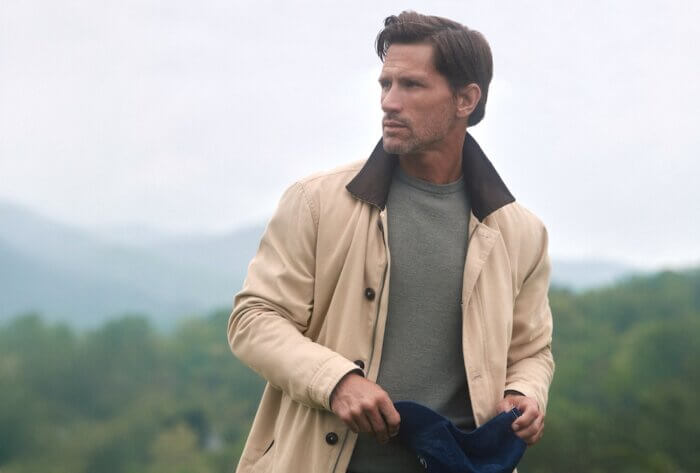
In the 25 years since the Peter Millar brand was created, its reach has expanded, its collections have grown and its name has become a part of golf’s lexicon all while remaining loyal to its founding principles.
Creating luxury clothing, grounded in classic styling, and elevating personal lifestyles.
Like the products themselves, Peter Millar has grown into a carefully cultivated best-in-class business distinguished not just by what it offers but by how it operates.

The brand, named for an inscription on a lawn-bowling ball given to founder Chris Knott by his mother, debuted in 2001 as a collection of cashmere sweaters, dipping its toe into the golf market.
Four years later, Scott Mahoney, former vice president of golf and tennis at Polo Ralph Lauren, purchased Peter Millar in a deal with Sea Island Resort. Mahoney became CEO, a title he retains, and worked alongside Knott in developing the brand that expanded beyond golf while keeping the game an essential part of its DNA.
In 2012, Peter Millar was acquired by the luxury brand conglomerate Richemont, which owns Cartier and Montblanc among other brands, while opening 26 stores around the country, located in high-end shopping areas including New York City’s Madison Avenue and Worth Avenue in Palm Beach, Florida.
In a world where evolution sometimes seems to happen at light speed, Peter Millar has resisted the temptation to invest heavily in trends, leaning instead into its foundational philosophy.
Step into pro shops at high-end clubs and Peter Millar is as familiar as Titleist golf balls. It’s where the brand planted its roots and, even as it now sells more than golf apparel, it has intentionally maintained its connection to the game.
“We’re still rooted in golf. It’s a big part of what we do, but it’s not the majority of our business,” Mahoney said.
“We sell in the best golf locations in the world. Everyone’s happy place, we’re there at the finest clubs and resorts around the country. It gives credibility because the product is really good. Then people see the pants and they go on the website or they go into a store and see the sweaters. We’ve got an incredible sport coat business, the trouser business, the sportswear business.”
The company refers to it as “share of closet.”
“Go from the course to the office, to dinner, to the beach with the family,” is how Todd Martin, president of Peter Millar’s golf division, puts it.
“Over the last 25 years, golf is still on this meteoric rise and the other channels are going side by side and exceeding it in some places. Some people know our heritage in golf and see us at a tournament or at a club or they may see one of our specialty stores. There are multiple entrances to the brand.”
Its design philosophy is still based on the early collaboration with Sea Island, the luxurious resort along the south Georgia coast.
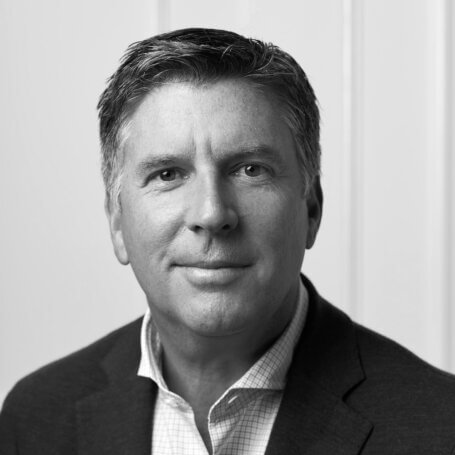
“We really started trying to build a wardrobe and a business around what people wear,” Mahoney said.
“What they wear to work, what they wear on Saturdays to soccer games, what they wear to play golf, what they wear to cocktail parties and dinners and board meetings. That’s allowed us to really diversify into so many different things.”
Peter Millar is – intentionally – not everywhere. It strategically limits its distribution, focusing on upscale destinations. It is, however, available to consumers online through the company’s website, which flourished during COVID-19 and beyond.
The pandemic not only changed the way people could shop, it altered how people dress, particularly for work.
“I worked at Ralph Lauren years ago. I would wear a suit to work every day with French cuffs. You don’t see a lot of that now,” Mahoney said.
“I think we’ve become a bit of a standard for the workwear product. So we’ve been very lucky that way.”
In a world where evolution sometimes seems to happen at light speed, Peter Millar has resisted the temptation to invest heavily in trends, leaning instead into its foundational philosophy. Whether in golf shirts or footwear or jackets, the company stays current without straying too far from what has made it what it is.
“We’ve thoughtfully lived in the middle,” Martin said. “Classic, tried-and-true styles. We always balance walking the line with new fabrics. We are always going back to the classics. Porsche may dabble in things but the 911 is still an iconic car for them and it’s going strong.”
When louder, playful golf shirt prints became popular a few years ago, Peter Millar leaned in while maintaining more traditional designs. Martin said the market is shifting back toward quieter designs while also tilting toward more natural fibers.
“It’s hard to forecast that. The market speaks. The consumer speaks,” Martin said
“We keep a very steady hand on the rudder from design and management.”
The Raleigh, N.C.-based company continues to grow while balancing the expansion with the fundamentals that have made it so successful.
That means knowing when to say no.
“We don’t do things that don’t belong. We have been approached by furniture people before. We’re not a furniture company. We could make some nice things and have some nice products, maybe a cool chair or table or desk but that’s really not what our company is about,” Mahoney said.
“Once you lose focus and you start trying to be a little bit of everything to everybody, you become nothing to everybody.”
In recent years, Peter Millar has embraced the college market, reaching licensing agreements with more than 250 schools. Last December, the brand launched its licensing agreement with the NFL, a significant step forward given the league’s immense popularity.
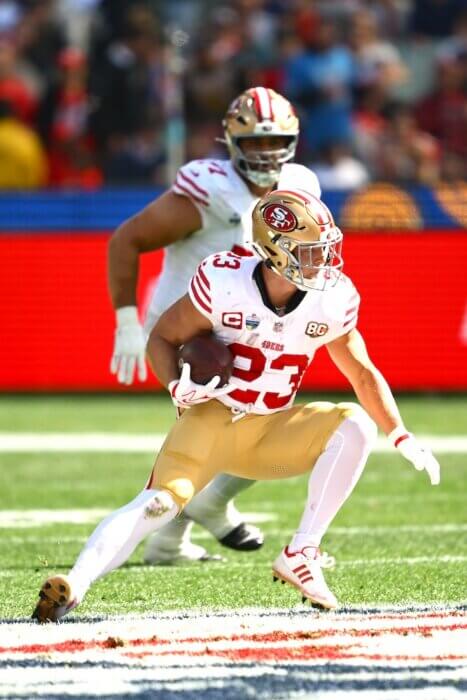
Last month, the brand announced San Francisco 49ers star Christian McCaffrey as its first NFL and global ambassador. As part of the 25-year anniversary and the connection with McCaffrey and the NFL, the brand recently announced its new Pursuit series featuring performance-driven designs for everyday life.
“We’re really excited,” Mahoney said of the McCaffrey connection. “Some of the early things we’ve seen from the social aspect of it, the numbers are incredible and he’ll be a great addition to our team.”
Meanwhile, the Raleigh, N.C.-based company continues to grow while balancing the expansion with the fundamentals that have made it so successful.
“The product keeps getting better and better, the people get better and better. The amount of people we employ here now is really cool. We’re going to be building an office in downtown Raleigh. The timing has always worked out so well, and that’s just serendipitous,” Mahoney said.
“We outgrow things. We outgrew our warehouse, and we had another warehouse, and we outgrew another warehouse, and had another one, and all the while we try to stay and feel like a small, small company.
“We never want anyone to ever feel like we’re too big for them. That’s been the mantra and it’s kind of I think kept us on course.”