


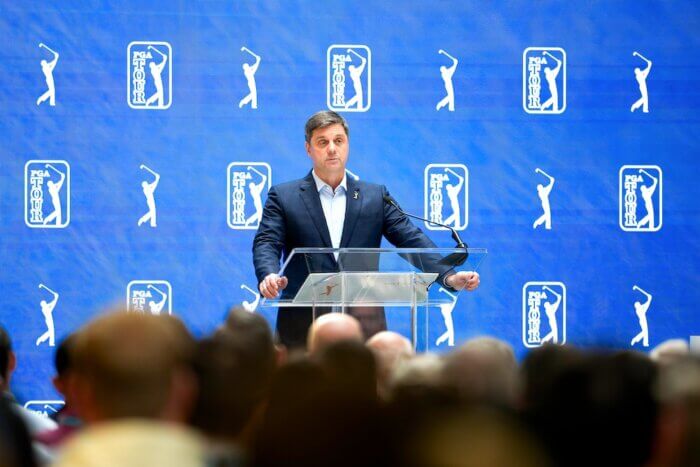
The reinvention of the PGA Tour remains an ongoing process but much of the heavy work has been completed with plans finalized for creating a more unified developmental structure for emerging players and the end of the tour’s Future Competition Committee.
While the focus of CEO Brian Rolapp’s media session Monday evening was on the operation of the Korn Ferry Tour and ancillary tours in the future, questions about what happens to former LIV golfers who want to return to the PGA Tour remained unanswered as did the subject of the tour’s strategic alliance with the DP World Tour.
“We have heard from our fans and we know that they want the best players playing together and we share that view. I have said that from day one when I took the job I am interested in doing whatever makes the PGA Tour better,” Rolapp said on a conference call following a meeting of the PGA Tour Inc. and PGA Tour Enterprises boards.
“That said, as we have a membership organization, we have rules, and as I shared before, they exist to ensure fairness and competitive balance. Rules matter and they will be enforced. We engaged in thoughtful discussion on the topic of LIV players with both boards [Monday]. As far as we have read, bankruptcy proceedings are ongoing and the process is complex.
“I hope to have more to say in the beginning of the new year, but until that time, I will not speculate on the outcome or individual decisions players make.”

Asked specifically if the Returning Member Program which was offered to Brooks Koepka (who accepted), Jon Rahm, Bryson DeChambeau and Cam Smith last year might be reinstituted now that LIV is in the process of expiring, Rolapp reiterated what he said in August.
“There are no plans for that currently, no,” Rolapp said.
As for the DP World Tour, which currently offers 10 PGA Tour cards to the top players on its tour, Rolapp said extending the existing agreement between the two tours remains on the table.
“We continue to have very productive discussions with the DP World Tour. As we’ve said publicly before, I think both entities have a mutual desire to extend and modify our partnership. So we’re actively working on that as we speak, but nothing new to report at this time,” Rolapp said.
“By creating a more connected, merit-based developmental system, there is a clear and open path for emerging talent to pursue their dreams.” – Brian Rolapp
Among the changes announced Monday following the final board meeting of the year will be elevating the final event of the Challenger Series schedule, awarding the winner a spot on the Championship Series regardless of where they finished during the regular season.
The Monday board meeting was centered around finalizing the structure of the Korn Ferry Tour, which will continue to operate as the primary feeder program for the PGA Tour, and creating a more unified developmental structure for emerging players.
“By creating a more connected, merit-based developmental system, there is a clear and open path for emerging talent to pursue their dreams,” Rolapp said.
The top 20 players on the Korn Ferry Tour will earn spots on the Challenger Series based on a points system that matches the one used by the PGA Tour. The Korn Ferry Tour will have a minimum of 20 events with $1 million purses, primarily in the United States with selected events at international sites.
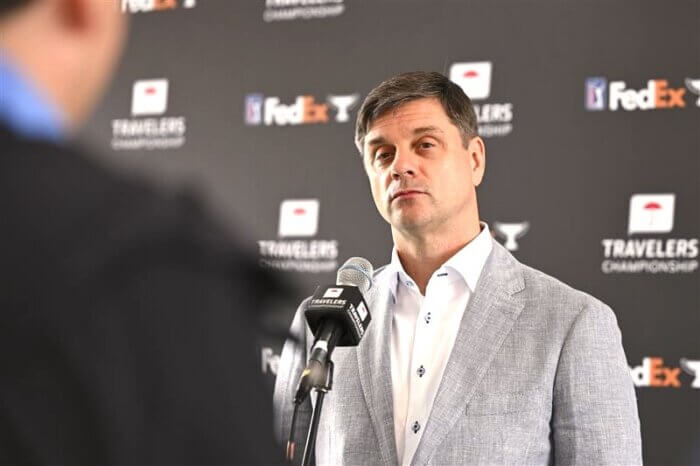
The schedule will be structured so that graduates from the PGA Tour University program who earn spots on the Korn Ferry Tour will have ample opportunity to earn Challenger Series spots after their college seasons end with the NCAA Championship.
Other PGA Tour pathways finalized at the board meeting include awarding Korn Ferry Tour eligibility to players who rank sixth through 25th on the PGA Tour U standings for the remainder of the season and the following season, awarding five tour cards through Q-School and creating a series of affiliated events with third-party operators that will be recognized through a unified points structure.
The announcement marked the end of the Future Competition Committee’s work, leaving the Player Advisory Council to handle any proposed changes in the future, as it did prior to the August 2025 creation of the FCC.
The Future Competition Committee drove the changes coming to the PGA Tour in 2028 when the two-tier structure goes into effect using the Championship and Challenger series. It also reimagined the tour’s postseason format, incorporating match play into the model, and it restructured the tour’s eligibility standards.

“Having been on this tour for almost 30 years, I can confidently say the PGA Tour is in the best position it has ever been,” said Tiger Woods, chairman of the Future Competition Committee, in a statement.
“We set out last year to build the strongest possible version of the PGA Tour, and by listening to our fans, players and partners, we created a competitive model grounded in meritocracy, built to last and that offers the best opportunity for the next generation of players. I am deeply thankful to my fellow committee members, our players, the board, Brian [Rolapp] and the tour staff for their collaboration and commitment throughout the process.”
Rolapp suggested it is too early for the tour to begin discussions about its media rights deals which expire at the end of 2030.
“We’ve had great conversations with the current media partners not about renewal, but really about the new competitive format launching in 2028. As we sit here today, we haven’t made any decisions when we might go to the market with new television deals.
“We’re concentrating, at least as we sit here today, on how we make 2028 the most successful launch of the new model,” Rolapp said.
It was the final board meeting for commissioner Jay Monahan, whose term concludes Jan. 1, 2027, when Rolapp assumes the commissioner title.
Lucas Glover, chairman of the PAC, will join the board while Adam Scott will remain on the board, assuming the spot previously occupied by Patrick Cantlay. Woods will also remain on the tour board.